
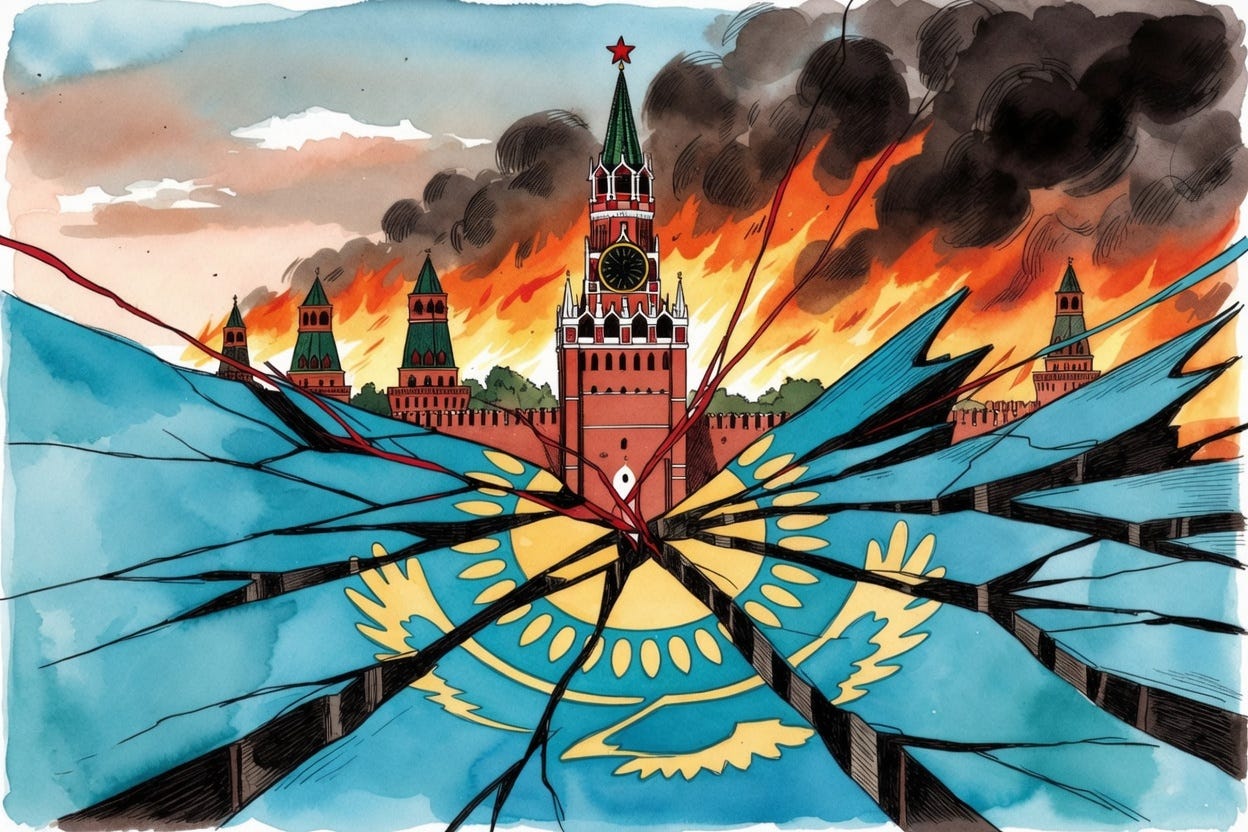
Bob Hickok examines why Russia’s formal partners are beginning to voice open reservations about the prolonged conflict in Ukraine. What once appeared as steady regional alignment is now showing visible cracks as economic costs and strategic risks mount.
Among the governments that have traditionally presented themselves as formal partners of Moscow, a noticeable shift in tone has begun to take hold as the conflict in Ukraine continues without a clear end in sight. What once registered as relatively consistent expressions of solidarity is giving way to more guarded assessments that weigh the accumulating economic, logistical, and political costs against any residual strategic benefits. Regional capitals are increasingly calculating how prolonged hostilities might undermine their own internal stability, trade flows, and room for independent maneuver. Public remarks by senior officials now more frequently underscore the desirability of restraint and an eventual winding-down of large-scale combat rather than an open-ended commitment to further escalation.
During a meeting convened in the Siberian city of Omsk, the president of Kazakhstan took the uncommon step of addressing the Russian leadership directly on the subject of the war’s continuation. He argued that military operations directed against Ukrainian forces, and the wider confrontation involving Western states that support them, ought to be suspended along the lines of contact that currently exist. In the same remarks he advocated a return to the set of understandings first outlined in Istanbul in 2022, characterizing those earlier talks as having been deliberately obstructed by Western intervention under British leadership. Russian President Putin offered no immediate or explicit public response to the proposal, leaving the initiative without a reciprocal endorsement.
How much longer can Russia’s partnerships hold as the pressure mounts?
