Multipolar Press

Multipolar Press

Left-Right Thaw: BSW Split Deepens Over AfD

A left-right cross-front challenges the corrupt liberal system.

Constantin von Hoffmeister's avatar
Constantin von Hoffmeister
Jul 09, 2026
∙ Paid

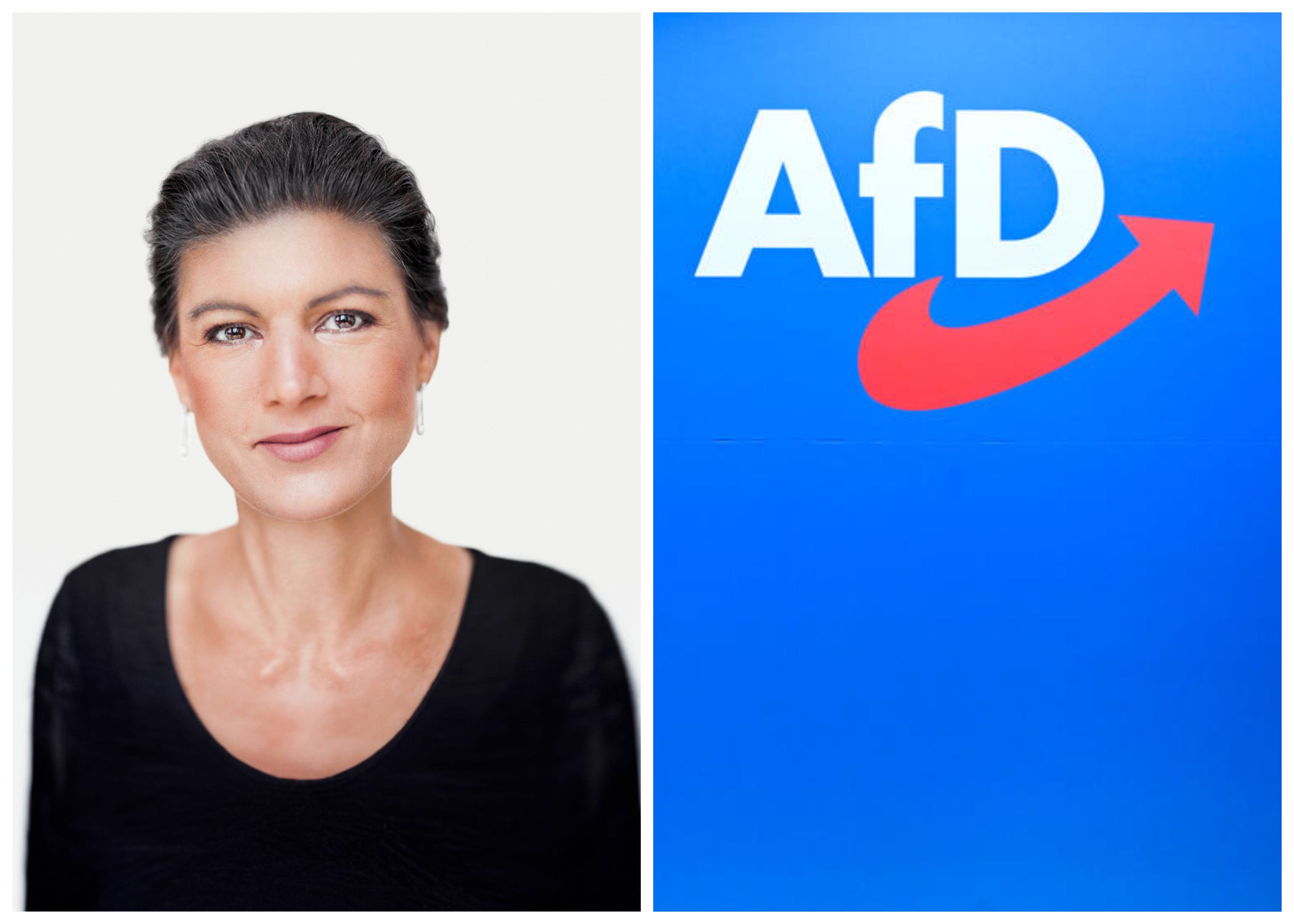
Constantin von Hoffmeister explains how a surprising left-right rapprochement and a possible cross-spectrum alliance against Germany’s corrupt liberal system is deepening the BSW’s internal split over closer engagement with the AfD.

The BSW, short for Bündnis Sahra Wagenknecht: Vernunft und Gerechtigkeit (Sahra Wagenknecht Alliance for Reason and Justice), is a new German political party founded on January8, 2024. It was created by Sahra Wagenknecht, a prominent left-wing politician (half-Iranian, half-German) born in 1969 in the former German Democratic Republic. Wagenknecht had long been a leading figure in Die Linke (The Left), a socialist party with roots in East German communism. She served as one of its co-leaders from 2015 to 2019 and spent many years in the national parliament.

Wagenknecht broke away because she believed the left had lost touch with ordinary working people. The modern left, she argued, focused too much on identity politics, open borders, gender debates, and climate symbolism while neglecting core economic issues such as wages, pensions, housing, and protection for small businesses. Many former left voters felt abandoned and turned instead to the AfD, the country’s main right-wing populist party. The BSW was meant to offer a different path: strong left-wing economic policies combined with more conservative and pragmatic stances on culture, immigration, and foreign affairs.

The party calls for higher minimum wages, stronger pensions, wealth taxes on the rich, and support for ordinary workers and small businesses. At the same time, it demands strict limits on immigration, criticizes rapid changes in language and gender policies, opposes green measures that sharply raise energy costs for families, and pushes for diplomacy and negotiations to end the war in Ukraine rather than indefinite military aid. It quickly gained traction in East Germany, where economic disappointment and cultural unease are widespread. In some 2024 state elections, the BSW achieved double-digit results. Nationally, however, it received only 4.9 percent in the February 2025 federal election, narrowly missing the 5 percent threshold for seats in parliament.

The Current Fight Inside the Party

Now the young party is tearing itself apart over a fundamental question. Read on to find out what it’s all about!

User's avatar

Continue reading this post for free, courtesy of Constantin von Hoffmeister.

Or purchase a paid subscription.
© 2026 Constantin von Hoffmeister · Privacy ∙ Terms ∙ Collection notice
Start your SubstackGet the app
Substack is the home for great culture