
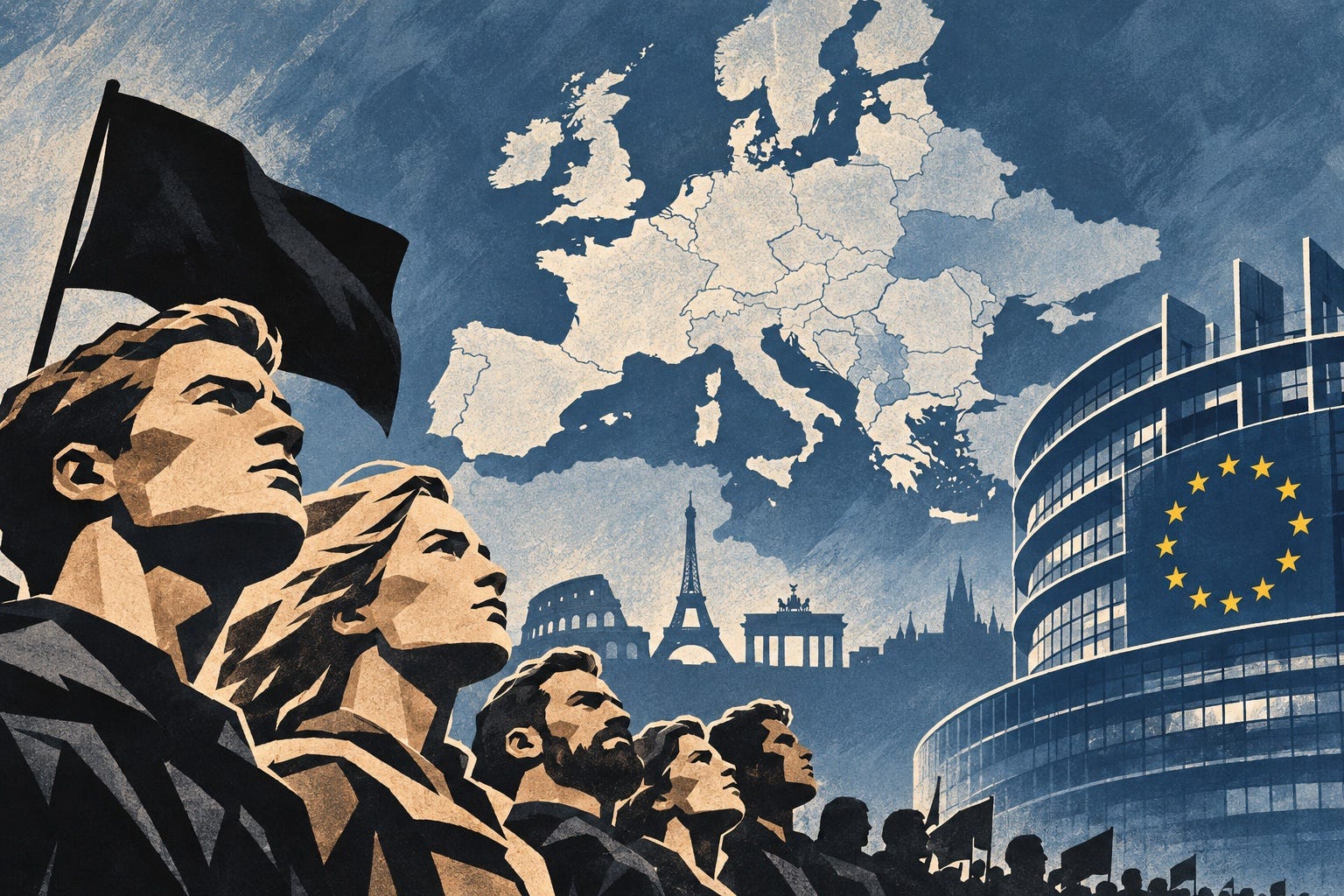
Bob Hickok surveys the populist upheaval across Europe, examining the electoral gains, political setbacks, and internal divisions of nationalist parties as they challenge Brussels and confront questions of NATO, Russia, and national sovereignty.
Europe is entering a period in which the old political parties can no longer assume that power belongs to them. According to the Authoritarian Populism Index published on October 22, populist and other challenger parties now command 32.6 percent of the vote across 31 European democracies, a postwar record. Christian democrats and social democrats have lost much of their former strength. Nationalist parties demand control over borders, immigration, economic policy, and relations with foreign powers. Yet their rise presents a question that elections alone cannot answer: can European nations recover greater political independence while remaining inside institutions designed around common rules and collective commitments? From a multipolar perspective, this struggle concerns Europe’s place between Washington, Moscow, Beijing, and Brussels.
